X-ray systems depend on controlled electrical power to generate consistent radiation and produce useful images across medical, industrial, security, and analytical applications. Reliable power management is essential for stable operating conditions and dependable equipment performance.
Understanding the role of power systems helps equipment designers and users evaluate electrical requirements, reliability, integration, and application needs. A suitable X-ray tube power supply provides controlled voltage and current to support efficient X-ray generation while maintaining consistent output during operation. Selecting the right power solution requires consideration of the X-ray tube, operating range, system design, cooling requirements, and intended application. Properly matched power components can support reliable imaging, efficient equipment operation, and consistent performance across different working environments and operating conditions.
Foundations of X-Ray Power and Imaging Performance
Reliable power management underpins consistent X-ray generation, helping systems maintain controlled output across demanding imaging and inspection environments.
1. Maintaining Stable Electrical Output
An X-ray system requires controlled electrical energy to operate the tube and generate radiation. Stable power helps maintain consistent operating conditions, supporting repeatable imaging and inspection results. Voltage or current variations can affect system performance, so proper power regulation is important for equipment designers. Selecting components according to the tube, application, and required operating range helps create a dependable X-ray system.
2. Supporting X-Ray Tube Operation
The X-ray tube converts electrical energy into X-rays through a controlled process involving high voltage and electron acceleration. The power system must provide the voltage and current the tube requires. Proper matching between the tube and power supply supports reliable operation and helps the equipment achieve its intended imaging or inspection performance. System design should therefore carefully consider electrical specifications.
See also: Fitting a Sauna Kit Into a Small Backyard
3. Managing Voltage and Current Requirements
Different X-ray applications require different combinations of voltage, current, and power. Medical imaging, security inspection, industrial testing, and analytical systems may operate under different conditions. Power supplies must meet these requirements while maintaining stable output. Understanding the required operating range helps engineers select suitable components and avoid mismatches that could affect system efficiency, image consistency, or equipment reliability.
4. Supporting Compact System Integration
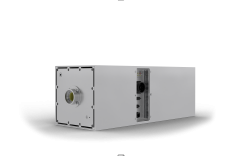
Modern X-ray equipment often requires compact components that can fit within space-limited designs. Integrated systems can combine the high-voltage power supply, X-ray tube, and control electronics into a single unit. This approach can simplify installation and reduce system complexity. Compact designs are particularly useful for OEM equipment where product development must account for space, maintenance access, and integration requirements.
5. Improving Operational Reliability
Reliability is important for X-ray equipment used in continuous inspection, diagnostics, manufacturing, and security applications. Power systems should be designed to provide consistent performance during repeated operation. Appropriate cooling, component selection, electrical protection, and system integration support dependable operation. Reliable power delivery also reduces interruptions and supports consistent performance throughout the equipment’s expected operating life.
X-Ray Power Systems Supporting Diverse Applications
X-ray power technology serves multiple industries, with system requirements changing according to imaging objectives, operating environments, and equipment design. X-ray systems are used across medical imaging, industrial non-destructive testing, security inspection, food quality control, electronics manufacturing, and analytical applications. Each environment demands different power output, physical size, reliability, and integration.
For example, medical systems may require compact designs and stable output for imaging, while industrial inspection can require robust operation and higher power levels. Security equipment may prioritise rapid scanning and dependable continuous operation. Food inspection systems can use X-ray technology to identify foreign materials, while analytical systems require stable and repeatable output for material analysis. Selecting an X-ray tube power supply for the intended application helps engineers match voltage, current, output stability, and integration requirements to practical operating conditions.
High-Voltage Power Design for Consistent X-Ray Output
High-voltage architecture influences X-ray performance by controlling the electrical conditions required for reliable generation and repeatable imaging.
1. Selecting Appropriate Power Ratings
Power ratings should correspond to the requirements of the X-ray tube and intended application. Engineers should consider voltage range, current output, duty cycle, operating conditions, and available system space. Selecting an appropriate rating helps ensure that the power system can support required performance without creating unnecessary electrical or thermal demands.
2. Considering System Efficiency
Efficient power conversion can help equipment operate effectively while managing energy use and thermal conditions. Efficient designs are particularly valuable in compact systems where heat management and available space can influence overall equipment performance. Engineers can consider conversion efficiency alongside output stability, cooling requirements, and application-specific operating conditions when developing an X-ray system.
3. Managing Thermal Conditions
High-voltage equipment can generate heat during operation, making thermal management an important design consideration. Cooling systems, component placement, airflow, and operating cycles can influence temperature control. Effective thermal design helps maintain stable operation and can support component longevity. The appropriate approach depends on system power, enclosure design, operating environment, and expected usage pattern.
4. Supporting Control and Monitoring
Modern X-ray systems may use electronic controls to regulate operating conditions and monitor system performance. Accurate control can help maintain consistent voltage and current while allowing equipment to respond to changing operating requirements. Monitoring functions can also assist with identifying abnormal conditions and supporting maintenance procedures. Consider integrating the power system with equipment controls during system development.
5. Enabling Flexible OEM Integration
OEM developers often need power solutions that adapt to specific equipment designs. Flexible voltage and current outputs, compact dimensions, control compatibility, and application-specific configurations can simplify integration. Customization can also help manufacturers address different tube requirements or operating environments. A flexible power architecture therefore supports developing specialised X-ray equipment without relying on a single standard configuration.
Conclusion
X-ray power systems play an important role in generating stable output for imaging, inspection, analysis, and other specialized applications. Their performance depends on suitable electrical characteristics, reliable design, thermal management, system integration, and appropriate application matching.
For organisations developing or upgrading X-ray equipment, high-voltage power supply manufacturers offer solutions ranging from integrated X-ray sources to high-voltage generators. VJ X-Ray develops and manufactures integrated X-ray sources and high-voltage generators for OEM applications across medical, industrial, security, food, electronics, and analytical sectors. Their IXS series combines the power supply, X-ray tube, and control electronics, while their HVL/HVG series provides high-voltage generator solutions with different voltage and current outputs.